
Removing Pet Stains and Stains from Hardwood Floors
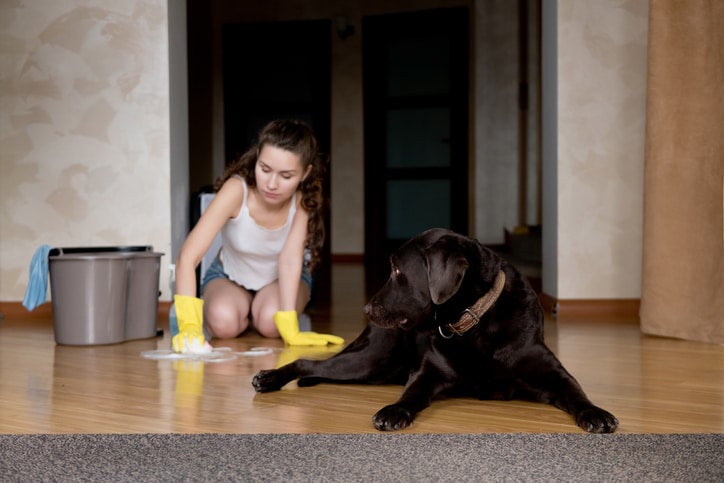
How to Get Tough Stains (and Pet Messes!) Out of Your Hardwood Floors
Accidents happen. Whether your pet had an accident or someone spilled a drink, stains on your hardwood floors can be incredibly frustrating, especially because the care guides can be so specific, and you don’t know how to get up the stain without potentially causing a new one.
At Redi-Cut Carpets, we have spent decades helping homeowners protect their floors. So, before you stress about costly repairs, let’s walk through how wood stains happen and how you can clear them up using simple, safe methods.
Why Hardwood Floors Stain
To beat the stain, you have to understand what you are up against. Hardwood is naturally porous. Although protective finishes help, it’s not waterproof, and over time, foot traffic, moving furniture, and everyday wear create tiny, invisible scratches in that finish. When pet urine, water, food, or other liquids remain on the surface too long, they can seep through the finish and into the wood fibers. Pet urine is especially problematic because it contains ammonia and uric acid. As it soaks into the wood, it can:
- Cause dark black or gray stains
- Create lingering odors
- Damage the wood fibers
- Weaken the finish
- Lead to permanent discoloration if left untreated
Identify the Type of Stain First
Before you start cleaning, check the color of the spot. It tells you exactly how deep the liquid went:
- White Stains – The moisture is trapped inside the surface finish (polyurethane or wax). The wood fibers underneath are still safe. These are easy to fix.
- Dark or Black Stains – The liquid has breached the finish and soaked deep into the wood fibers. This requires a stronger treatment or professional refinishing to fix.
How to Remove Fresh Pet Stains
If you catch the accident immediately, follow these three quick steps to prevent a permanent stain:
- Blot Immediately – Grab paper towels or a clean microfiber cloth. Press down firmly to soak up every drop of liquid. Do not wipe side-to-side, as this just spreads the mess into more floorboard cracks.
- Neutralize With Vinegar – Mix equal parts warm water and white distilled vinegar in a bowl. Lightly dampen a clean cloth with the mix and wipe the area. Vinegar safely neutralizes the ammonia in pet urine, killing the odor so your pet won’t target the same spot later.
- Dry Thoroughly – Wipe the area completely dry with a fresh towel. You can even run a small fan nearby for an hour to ensure no moisture stays trapped.
How to Remove Common Stains from Hardwood Floors
What if the stain has been sitting there for a while? That’s not ideal, but it is manageable. Here is how to handle the two most common culprits:
Water Marks and Food Spills
For those annoying white rings left by sweaty drinking glasses or spilled food, you can actually use a common household item: baking soda. Mix baking soda with a few drops of water to create a thick paste. Gently rub the paste onto the stain in the direction of the wood grain using a soft cloth. Wipe it away with a damp towel and dry immediately. The mild abrasive quality of baking soda lifts the trapped moisture right out of the finish.
Dried-In Pet Stains
For older, dark pet stains on hardwood floors, you need something that can break down the deep discoloration. Hydrogen peroxide (the standard 3% version from your local pharmacy) works wonders as a gentle wood bleach. Here’s what to do:
- Dampen a clean cloth with hydrogen peroxide.
- Lay the damp cloth directly over the dark stain.
- Let it sit for about 10 to 15 minutes, checking it frequently to ensure it isn’t bleaching the wood too much.
- Remove the cloth, wipe the area with a slightly damp water-only cloth, and dry it completely.
Best Products for Removing Hardwood Floor Stains
If DIY remedies make you nervous, there are fantastic commercial products designed to remove pet stains safely without ruining your floors.
Look for enzyme-based cleaners specifically formulated for hardwood. Traditional enzyme cleaners can sometimes strip away wood finishes, so make sure the bottle explicitly states it is safe for sealed wood. Brands like Bona or Nature’s Miracle Hardwood Floor Cleaner do a fantastic job. Always avoid harsh chemicals like standard laundry bleach or ammonia. These will strip your floor’s protective seal instantly and cause permanent, costly damage to the wood grain.
How to Prevent Pet Stains on Hardwood Floors
The absolute best way to handle hardwood floor stain removal is to make sure the stain never happens in the first place! Here are a few quick tips to keep your home stress-free:
- Place Mats Under Bowls – Put a wide, waterproof silicone mat under your pet’s food and water dishes to catch splashes.
- Use Area Rugs Wisely – Place stylish, breathable area rugs in high-risk zones, like right by the back door where muddy paws enter, or in your pet’s favorite nap spot.
- Trim Those Nails – Keep your dog’s nails clipped short. Long nails scratch the floor’s finish, creating the exact cracks that liquids love to seep into.
Frequently Asked Questions
Can Pet Urine Permanently Stain Hardwood Floors?
Yes. If urine remains on the floor long enough to penetrate the finish, it can leave permanent dark stains in the wood.
Can I Use a Steam Mop to Clean Out a Stubborn Stain?
No. Never use a steam mop on hardwood floors. The high-pressure, super-heated moisture forces its way down into the joints of your floorboards, which will warp, cup, and permanently buckle the wood.
Will Baking Soda Scratch My Hardwood Floors?
Baking soda is a very mild abrasive. When mixed with water into a thick paste and rubbed gently with a soft microfiber cloth, always moving in the direction of the wood grain, it will safely lift surface moisture without scratching the finish.
How Do I Know if My Floor’s Protective Seal Is Worn Out?
Pour a few drops of water onto a high-traffic area of your floor. If the water beads up, your finish is intact. If the water slowly sinks in and turns the wood a darker shade, your protective topcoat has worn away, leaving the floor highly vulnerable to deep stains.
Need Professional Help?
If a dark stain won’t budge after treatment or you can’t seem to remove the pet stains on your hardwood floors, the liquid has likely permeated too deeply, and the area will need to be professionally sanded and refinished.
At Redi-Cut Carpets, we are a family-owned business serving Lower Westchester County. We never use subcontractors. When you work with us, you deal directly with the owners and our experienced, in-house installation team. If you need custom area rugs to protect your current hardwood or want to explore ultra-durable, waterproof flooring options, we are here to help. Contact us today to explore your options.