
How to Remove Scratches From Hardwood Floors?
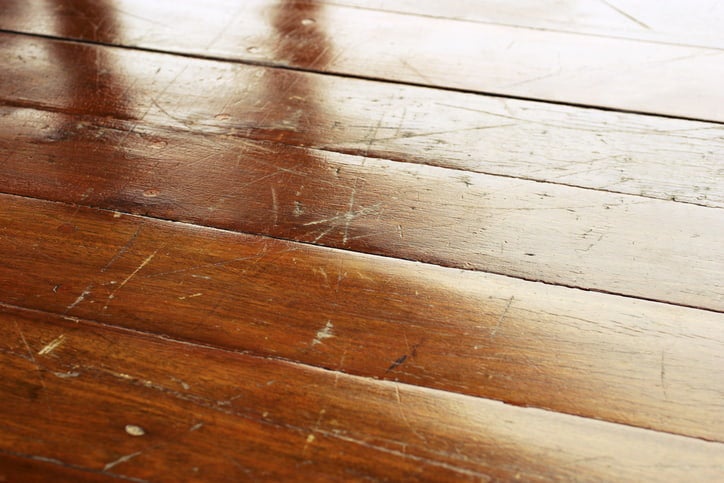
Hardwood floors are one of the most beautiful features in any home, but they also take a lot of daily wear and tear. Life happens. Between the kids running around, your excited pup greeting you at the door, and that one heavy chair everyone loves to drag, your floors are bound to take a beating, and scratches are almost inevitable.
If you’re wondering how to remove scratches from hardwood floor surfaces or looking for tips on hardwood floor scratch repair, this guide will walk you through everything you need to know.
Identify the Type of Scratch Before Repairing
Before you begin any hardwood floor scratch repair, you must determine the severity of the damage. You’ll need to determine how deep the scratch actually is because different types of scratches require different repair methods. Look for:
- Surface Scratches – These only affect the protective top layer (the finish) and appear as light-colored, white marks.
- Minor Scratches – These cut through the finish and slightly into the raw wood, but they aren’t very deep. You’ll often see the lighter-colored wood showing through the protective coating
- Deep Gouges – If furniture has been dragged across the floor or a heavy object has fallen, the scratch may extend deep into the wood. While some DIY repairs are possible, significant damage often requires professional refinishing or plank replacement.
Tools and Materials You’ll Need
Most hardwood floor scratch repair projects only require a handful of supplies. Depending on the severity of the scratch, you may need:
- Soft microfiber cloths
- Fine-grit sandpaper (for minor/deep scratches)
- Wood filler or colored wood putty (for deep gouges)
- Wood stain, blending pencil, or wax crayon
- Polyurethane finish (for sealing)
- Natural oils (almond, olive, or walnut)
How to Remove Light Surface Scratches
If you are dealing with superficial scratches that only affect the finish, quick household remedies are incredibly effective:
- Natural Oils – Rub a small amount of walnut oil or olive oil directly into the scratch. The natural oils will mask the mark beautifully.
- Buffing – For micro-scratches, use a clean microfiber cloth and a dedicated hardwood floor cleaner to buff the floor. The buffing motion redistributes the existing finish.
How to Fix Minor Scratches
If the scratch went deep enough to reveal the lighter, raw wood underneath, we just need to add a little color back in. You can do that in one of two ways:
- Use a Blending Pencil – Grab a wood blending pencil from the store that matches your floor’s stain. Color directly into the scratch like a crayon, then use your finger or a cloth to smudge it and blend it seamlessly.
- Using Stain to Touch-Up – Dip a cotton swab or a soft rag into a matching wood stain. Dab it carefully directly into the scratch. Let it sit for a minute, then wipe away any excess so it doesn’t leave a dark ring around the fix.
How to Prevent Hardwood Floor Scratches
Preventing scratches is much easier than repairing them. Here are some tips to help you protect your floors:
- Embrace the Area Rug –Protect high-traffic spaces with durable runners. Explore local options at Redicut Carpets Runners to shield your stairs and hallways.
- Use Felt Pads – Put felt protectors on all chair and table legs to eliminate chair scratch repair issues.
- Lift Furniture – Never drag heavy items. Use furniture sliders to avoid moving furniture on a scratched hardwood floor and accidents.
- Trim Pet Nails – Keep your dog’s nails clipped short to prevent deep claw scratches.
Expert Tips for Long-Term Hardwood Floor Care
Proper maintenance keeps your floors looking beautiful, but it also protects your investment. Professionals recommend:
- Cleaning with hardwood-approved products only.
- Avoiding steam mops unless recommended by the flooring manufacturer.
- Wiping up spills immediately.
- Recoating the protective finish every few years before major wear develops.
- Scheduling professional refinishing when scratches become widespread.
Frequently Asked Questions
Can Toothpaste Remove Scratches From Hardwood Floors?
While some online DIY methods recommend toothpaste, it’s generally not the best solution. Products specifically designed for hardwood floor scratch repair provide safer, longer-lasting results.
Can Deep Scratches Be Repaired?
Yes, many deep scratches can be repaired using wood filler, stain, and polyurethane. However, severe gouges may require professional refinishing or board replacement.
Is It Worth Repairing Scratched Hardwood Floors?
Absolutely. Minor repairs are affordable and help prevent moisture from penetrating the wood, which can lead to more expensive damage later.
How Can I Tell if My Hardwood Floors Need Refinishing?
If scratches cover large sections of the floor, the finish has worn away, or the wood appears dull throughout the room, refinishing may be the best long-term solution.
Can a Dog Scratch Hardwood Floors Easily?
Yes, especially larger breeds or active dogs. Using runners in high-traffic hallways is the best defense.
Can You Replace Just One Scratched Wood Plank?
Yes. You do not need to replace the whole floor. The team at Redicut Carpets Hardwood can pop out a single damaged board and replace it in a way that looks natural.
Master Hardwood Floor Scratch Repair
Maintaining your hardwood floors doesn’t have to be complicated. When DIY tricks aren’t enough, skip the big-box stores and work with a local team you can trust. Redicut Carpets is family-owned and operated. We work directly with you, offering knowledgeable staff and experienced in-house installers. From White Plains and New Rochelle to Greenwich and Stamford, we are here to help. Contact us today for a free in-home estimate!